WELCOME TO

CALVARY BIBLE BAPTISTCHURCH

“…the pillar and ground of the truth.” — I Tim 3:15

Welcome

We're glad you're here!

Welcome to the Calvary Bible Baptist Church website. We are located in Wattala, SriLanka. We are thankful you have taken the time to visit our site, and we would count it a privilege to have you visit one of our services.

Calvary Bible Baptist Church is a Bible-believing, independent Baptist church where the King James Bible is preached, the Lord Jesus Christ is exalted, and the gospel is clearly proclaimed. Our desire is to reach the lost, strengthen families, encourage believers, and stand faithfully for the truth in a day when truth is often ignored or compromised.

When you visit Calvary, you will find a friendly and welcoming church family. We are not perfect people, yet we serve a perfect Saviour. We believe the church should be a place where the Bible is taught plainly, Christ is honored sincerely, and people are encouraged spiritually.

We also believe that the church is essential. The work of God does not exist by permission of government, culture, or popular opinion. Our commitment is to remain faithful to the Lord, to the Scriptures, and to the assembling of ourselves together as God has commanded.

God Bless

Pastor Gowreeswaran Thiagarajah

Calvary Bible Baptist Church

Wattala, Sri Lanka

"For where two or three gather in my name, there am I with them."Matthew 18:20
Join Us

Service Times

Sunday Bible School

9:00 AM

Sunday Worship Service

10:00 AM

Sunday Evening Service

6:00 PM

Wednesday Bible Study & Prayer

7:00 PM
Find Your Way

Explore Our Church

"
Trust in the LORD with all your heart, and do not lean on your own understanding. In all your ways acknowledge him, and he will make straight your paths.
Proverbs 3:5–6
What's Next

Upcoming Events

Plan Ahead

Upcoming Events Calendar

Special eventRegular service day
Latest Message

From the Pulpit

You're Invited

Come Worship With Us

There's a seat for you this Sunday. No matter where you are in your journey of faith, we would be honored to worship alongside you.

Grow & Serve

Our Ministries

Find a place to grow in the Word and serve alongside our church family.

Ministries

Get Involved

Every ministry of Calvary Bible Baptist Church exists to point people to Christ and help believers grow in His Word.

Get To Know Us

CALVARY BIBLE BAPTIST CHURCH

Rooted in Scripture. Devoted to Christ. Committed to our community.

Church sanctuary interior
Our Church

Faithful to the Word, Devoted to Our Community

Add your church's founding story, congregation size, and community role here.

Open Bible on a wooden table
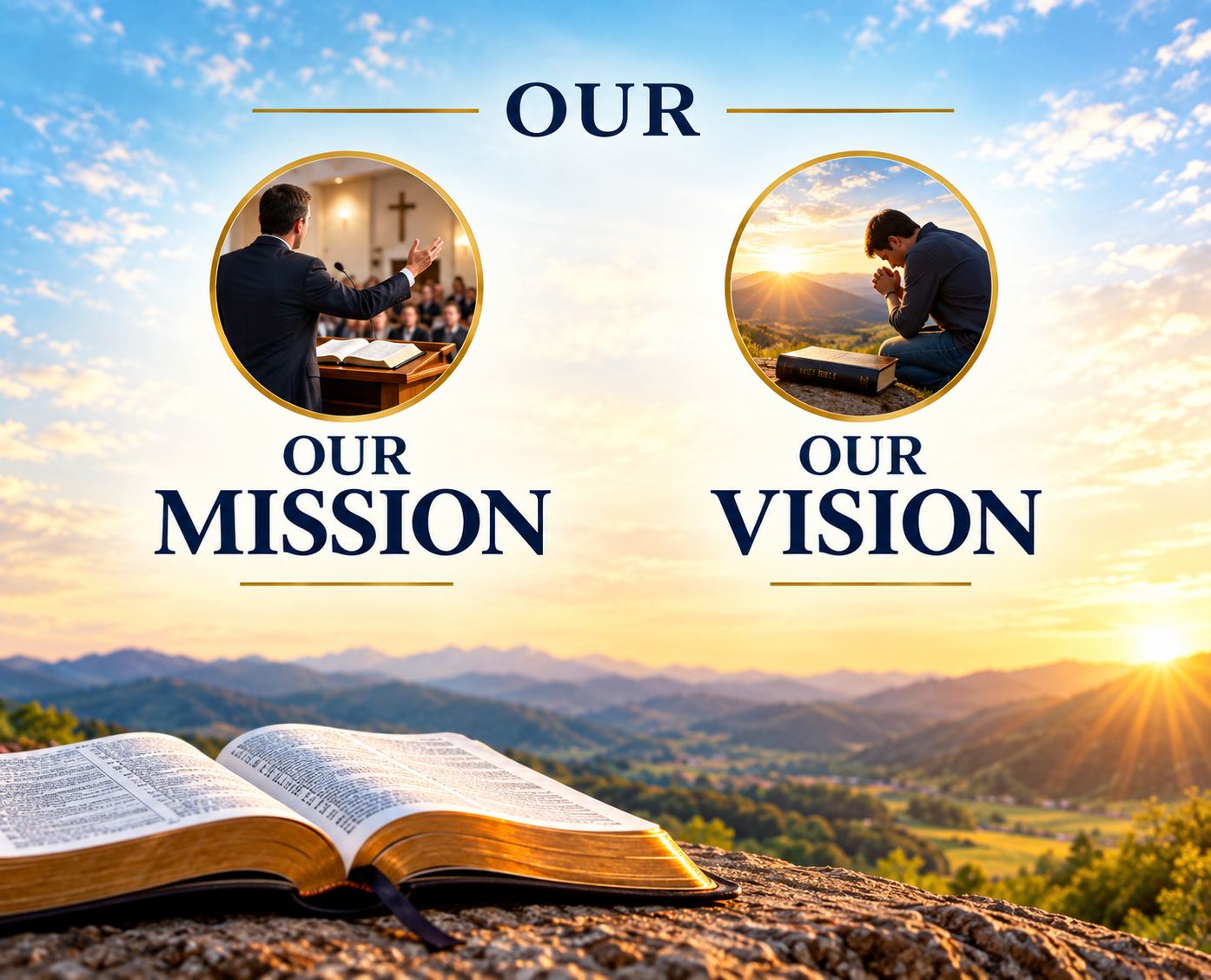
Mission & Vision

Our Mission & Vision

  • Mission: To PREACH God's word, TEACH God's people and REACH the world with God's love..
  • Vision: To OBEY God's word, LIVE holy life, EXPECT Christ's return and COMMITED to Serving God & others.
Learn More

Explore About Us

Our Beliefs

What we believe and teach, founded on the Word of God.

What Is an Independent Baptist Church?

What it means to be an independent, Bible-believing Baptist church.

Our History

How God began this church in 2005 and has been faithful since.

Our Pastor

Meet the man God has called to shepherd our congregation.

What We Believe

Our Beliefs

Founded on the Word of God, our sole authority for faith and practice.

What We Believe

Our Beliefs

Our faith and doctrine are founded on Holy Scripture. We believe that the Bible is the Word of God and the sole foundation upon which our doctrine, faith, and Christian life are built.

THE SCRIPTURES

The Bible, with its 66 books, is the very Word of God. The Bible is verbally and plenarily inspired as originally given and it is divinely preserved in the Hebrew Masoretic Text and the Greek Received Text. The Bible is our sole authority in all matters of faith and practice. The King James Version in English is an example of an accurate translation of the preserved Hebrew and Greek texts; we believe it can be used with confidence. We reject modern textual criticism and the modern versions that this pseudo-science has produced, such as the American Standard Version, the New American Standard Version, the Revised Standard Version, and the New International Version). We also reject the dynamic equivalency method of Bible translation which results in a careless version that only contains the general ideas rather than the very words of God. Examples of dynamic equivalency versions are the Today’s English Version, the Living Bible, and The Message.

2 Samuel 23:2; Psalm 12:6-7; Proverbs 30:5-6; Matthew 5:18; 24:35; John 17:17; Acts 1:16; 3:21; 1 Corinthians 2:7-16; 2 Timothy 3:15- 17; 2 Peter 1:19-21; Revelation 22:18-19

THE GODHEAD

The Scriptures testify that God is a spirit whose nature is light, love, and holiness; He is infinite, eternal, all wise, all powerful, all knowing. There is only one God, but that God is revealed as three distinct Persons: Father, Son, and Holy Spirit. This is the traditional doctrine of the Trinity.

Genesis 1:1; Exodus 3:14; Psalm 115:3; Luke 1:37; Psalm 139:1-16: 145:17; 1 Peter 1:16; Malachi 3:6; John 3:16; Psalm 103:8; John 4:24; 5:26; 1 Thessalonians 1:19; Deuteronomy 6:4; Genesis 1:26; Matthew 3:16-17; 28:19-20; John 14:16; 1 Corinthians 12:4-6; 2 Corinthians 13:14; 1 John 5:7; 1 John 3:16

THE FATHER

We believe in God the Father, perfect in holiness, infinite in wisdom, measureless in power. We rejoice that He concerns Himself mercifully in the affairs of men, that He hears and answers prayer, and that He saves from sin and death all that come to Him through Jesus Christ.

Genesis 1:1; 17:1; Exodus 6:3; Deuteronomy 4:35; Psalm 90:2; 139:7-10; Isaiah 40:28; John 4:24; 1 John 1:5

THE LORD JESUS CHRIST

The second Person of the triune God is the Son, whose name is the Lord Jesus Christ. He existed eternally with the Father. At His incarnation, without change in His deity, the eternal Son of God became a man through the miracle of the virgin birth. Jesus Christ is fully God and fully man. He lived a sinless life, performed miracles to prove that He was the Messiah, died a substitutionary death for all men, was buried, and arose from the grave bodily the third day. Thereafter He ascended into Heaven and is presently fulfilling His intercessory and mediatorial ministry. He has promised to return to Rapture the church age saints prior to the Tribulation and to return to the earth to establish His millennial reign at the end of the Tribulation.

Isaiah 53:4-5; Matthew 18:11; 20:28; John 1:1,14; 3:16; 8:58; Romans 3:25-26; 1 Corinthians 15:3; 2 Corinthians 5:14-21; Philippians 2:6-11; Hebrews 2:9-15; 1 Peter 1:19

THE HOLY SPIRIT

The Holy Spirit is the third Person of the Godhead (Matt. 28:20; 1 Jn. 5:7). He is eternal (Heb. 9:14). He was active in creation (Gen. 1:2). He fashions men and imparts life to them (Job 33:4). He anointed and empowered Israel’s judges, kings, and prophets (Jud. 3:10; 6:34; 11:29; 1 Sam. 16:13). He inspired the Scriptures, imparting the words of God to holy men of old (Jn. 14:26; 1 Cor. 2:11-13; 1 Pet. 1:10-12; 2 Pet. 1:19-21). He convicts the world of sin and draws men to Christ (Gen. 6:3; Jn. 16:7-11). He came upon the church age saints at Pentecost to empower them for world evangelism (Acts 1:8). He regenerates those who believe (Jn. 3:5-8) and seals them unto the resurrection (Eph. 1:13-14). He indwells all who are born again, sanctifies them (1 Pet. 1:2), equips and empowers them for service (Acts 1:8; 1 Cor. 12), and illuminates their understanding of the truth. He calls and sends missionaries (Acts 13:1-4).

THE CREATION

We believe in the Genesis account of Creation and that it is to be accepted literally and not figuratively; that the world was made in six 24-hour days; that man was created directly in God’s own image and did not evolve from any lower form of life; that all animal and vegetable life was made directly and made subject to God’s law that they bring forth only “after their kind.”

Genesis 1; Nehemiah 9:6; Job 38:4-41; Ps. 104:24-30; Jn. 1:1-3; Acts 14:15; 17:24-26; Rom. 1:18-21; Col. 1:15-17; Hebrews 1:1-3; 11:3

THE FALL OF MAN

By disobedience to the revealed will of God, man became sinful and subject to the power of the Devil. When Adam and Eve sinned, their hearts became fallen and corrupted by sin, and this corrupt nature has been transmitted to the entire human race so that man is not only a sinner by nature and practice, but is guilty and condemned before God and possesses within himself no means of recovery or salvation.

Genesis 2:16-17; 3:1-24; Psalm 51:5; Ecclesiastes 7:29; Isaiah 53:6; Jeremiah 17:9; Mark 7:20-23; Romans 3:9-20; 5:12; Ephesians 2:1-3

THE WAY OF SALVATION (THE GOSPEL)

Salvation is by the grace of God alone, which means that it is a free gift that is neither merited nor secured in whole or in part by any virtue or work of man or by any religious duty or sacrament. The gift of God’s grace was purchased by Jesus Christ alone, by His blood and death on Calvary. The sinner receives God’s salvation by repentance toward God and faith in the Lord Jesus Christ. Though salvation is by God’s grace alone through faith, it results in a changed life; salvation is not by works but it is unto works. The faith for salvation comes by hearing God’s Word. Men must hear the gospel in order to be saved. The Gospel is defined in 1 Corinthians 15:1-4.

John 1:11-13; 3:16-18, 36; 5:24; 14:6; Acts 4:12; 15:11; 20:21; Romans 10:9-10,13, 17; Ephesians 1:7; 1:12-14; 2:8-10; Titus 3:3-8; Hebrews 1:3; 1 Peter 1:18-19; 1 John 4:10

THE BENEFITS OF SALVATION

We believe that all who put their trust in Jesus Christ are justified (declared righteous by God because of Christ); their sins are pardoned; they are regenerated (born again) and are given spiritual life by the Holy Spirit; they are eternally secure because they are kept by God.

Isaiah 53:11-12; John 10:27-30; Acts 10:43; 13:39; 15:11; Romans 3:21-25; 5:1-2, 9; 2 Corinthians 5:21; Titus 3:7; 1 Peter 1:2-5; 1 John 5:10-13

SANCTIFICATION

We believe that sanctification is presented in three phases in Scripture, past, present, and future: that the believer has been sanctified in Christ; that he is being progressively sanctified through the working of the indwelling Spirit, and that he will be completely sanctified at resurrection; that there is no complete eradication of the old nature in progressive sanctification during this present life; that speaking in tongues was not a sign of either regeneration or sanctification; that the New Testament gift of tongues is not in existence today, but ceased with the completion of the Scriptures.

John 17:17; Romans 1:17; 6:1-18; 1 Corinthians 1:30; 6:11; 1 Corinthians 13:8-13; 14:20-22; Ephesians 4:15; 5:26-27; Philippians 1:9-11; 1 Thessalonians 4:3-7; Hebrews 10:10; 1 Pet. 1:15-16

THE SPIRIT WORLD

Prior to the creation of man, God made a great host of creatures known as angels (Col. 1:16). They are called “sons of God” in Job 38:4-7 and were witnesses of the creation of the earth. Angels are spirit beings (Ps. 104:4). They do not marry (Mat. 22:30). One of these, perhaps the very highest, was Lucifer. Becoming proud he determined to be like God and led a rebellion of angels against God (Isa. 14:12-17; Ezek. 28:11-19). Since then Lucifer is called Satan or the devil and those angels that followed him are devils or demons (Mat. 25:41; Rev. 12:9). Some of the rebellious angels are in hell (2 Pet. 2:4; Jude 6), while others are free and are assisting the devil (Mat. 9:34). The angels that did not join the rebellion are called “the elect angels” (1 Tim. 5:21) and “holy angels” (Rev. 14:10). They are innumerable (Heb. 12:22). They minister to the saved (Heb. 1:14). Satan is called “the prince of the power of the air” (Eph. 2:2) and “the god of this world” (2 Cor. 4:4). Satan has opposed the work of God since creation of man and is the power behind the “rulers of the darkness of this world” (Eph. 6:12). He is the power behind idolatry (Deut. 32:17; 1 Cor. 10:20; Rev. 9:20). Satan is currently opposing the progress of the Gospel (2 Cor. 11:14-15; 1 Tim. 4:1). The devil was defeated at the cross of Christ (Heb. 2:14). He is not greater than or equal to God (Job 1; 1 Jn. 4:4). He can be resisted (Jam. 4:7) and overcome (1 Jn. 2:13; Rev. 12:11). He will be cast into the bottomless pit at the return of Christ (Rev. 20:1-3), will be released briefly after the millennial kingdom, and will be cast into the lake of fire to be punished for ever and ever (Rev. 20:7-10).

THE CHURCH

We believe that the church on earth is a congregation of scripturally baptized believers bound together by a common New Testament faith and fellowship in the Gospel of Jesus Christ. The church was established and built by Jesus Christ (Mat. 16:18). The church is the pillar and ground of the truth (1 Tim. 3:15). Each church is autonomous (self-governing, self-disciplining, self-supporting, self-propagating) and stands on its own feet under its one Head Jesus Christ, which is what we see in Acts and the Epistles. Its officers are pastors (also called elders and bishops) and deacons (1 Tim. 3). Its two ordinances are baptism and the Lord’s Supper, which are performed as memorials of Christ’s death and resurrection (Acts 2:41-42; 1 Cor. 11:23-24). Baptism is for believers only and is by immersion and is called a burial (Rom. 6:1-4). It is not for salvation and is not a part of salvation but follows after salvation as a public testimony thereof and as a picture of the believer’s death, burial, and resurrection with Christ (Acts 8:36-39; 16:30-33; 18:8). Baptism is not the gospel but is a picture of the gospel, being the death, burial, and resurrection of Christ for our sins (1 Cor. 1:17; 15:1-4). The church’s sole authority is the Bible (2 Tim. 3:16-17). Its Great Commission is the work of world evangelism and discipleship (Mat. 28:18-20; Acts 1:8; 13:1-4).

CIVIL GOVERNMENT AND RELIGIOUS LIBERTY

We believe that civil government is of divine appointment for the interests and good order of human society; that magistrates are to be prayed for (1 Tim. 2:1-4), conscientiously honored and obeyed (Mat. 22:21; Rom. 13:1-7; Titus 3:1; 1 Pet. 2:13-14), except only in the things opposed to the will of God (Acts 4:18-20; 5:29); that church and state should be separate, as we see in Scripture; the state owing the church protection and full freedom, no ecclesiastical group or denomination being preferred above another. A free church in a free state is the Christian ideal.

FUTURE EVENTS

We believe the Scriptures teach that at death the spirit of the believer passes instantly into the presence of Christ and dwells there in conscious joy until the resurrection of the body when Christ comes for His own (Mk. 9:4; 2 Cor. 5:8; Phil. 1:23; 2 Tim. 4:6; Rev. 6:9-11). At death, the spirit of the unbeliever descends immediately into Hell to await the resurrection of the wicked into judgment; there the conscious soul is tormented in fire (Mk. 9:43-49; Lk. 16:22-31). The blessed hope of the believer is the personal, pre-tribulational, pre-millennial appearance of Christ to rapture the church age saints away before the Tribulation (1 Cor. 15:51-57; 1 Thess. 1:9-10; 4:13-18; 5:1-9; Titus 2:13). This coming of Christ is imminent (Mat. 24:42-44; 25:13; 1 Thess. 5:2-4). God’s righteous judgments will then be poured out on an unbelieving world during the Tribulation (Dan. 12:1; Joel 2:2; Mat. 24:21; Rev. 6-18). This is the seventieth week of Daniel -- Dan. 9:24-27). The climax of this fearful era will be the physical return of Jesus Christ to the earth in great glory to establish the Davidic Kingdom (Mat. 16:27; 24:30-31; 26:64; Rev. 1:7; 2 Thess. 1:7; Rev. 19:11-21; 20:1-4). Israel will be saved and restored completely to their land and kingdom (Isaiah 2:2-5; 60; 66:20-24; Joel 3:1-2; 18-21; Zech. 14; Rom. 11:25-29). Satan will be bound, and the curse will be lifted from the physical creation (Isaiah 11:6-9; Rev. 20:1-4). Following the Millennium, Satan will be loosed from the bottomless pit, will lead one last unsuccessful rebellion, and will be cast into the lake of fire to be tormented forever and ever (Rev. 20:7-10). This will be followed by the Great White Throne judgment of the unsaved dead (Rev. 20:11-15) and the establishment of the New Heavens and the New Earth (Rev. 21-22; 2 Pet. 3:10-13).

SEPARATION FROM HERESY AND APOSTASY

We believe that the Bible requires separation from all forms of heresy and ecclesiastical apostasy (Rom. 16:17; 2 Cor. 6:14-18; 1 Thess. 3:6; 1 Tim. 6:3-5; 2 Tim. 3:5; Titus 3:10-11; 2 John 10-11; Rev. 18:4). We are commanded to try them, mark them, rebuke them, have no fellowship with them, withdraw ourselves, receive them not, have no company with them, reject them, and separate ourselves from them. The Bible teaches that the course of the church age is characterized by increasing apostasy (2 Timothy 3:1 - 4:6).

SEPARATION FROM THE WORLD

We believe the Bible also requires strict separation from the evil things of the world (Mat. 6:24; Rom. 12:2; 2 Cor. 6:3; Eph. 5:11; 1 Thess. 5:22; Titus 2:11-14; James 1:27; 4:4; 4:8; 1 John 2:15-17; 5:19).

About Us

What Is an Independent Baptist Church?

சுயாதீன வேதாகம பப்டிஸ்ற் சபை என்றால் என்ன?

Understanding who we are and what we stand for.

In Brief

Independent. Bible. Baptist.

Independent means that our church is not controlled by any denomination, convention or outside organization. We are self-governing under the headship of Jesus Christ, led by our pastor and deacons according to Scripture, and we choose to cooperate with other churches of like faith for the sake of the Gospel.

Bible means that the Bible is our sole authority for doctrine, faith and Christian life. We believe it is the inspired and preserved Word of God, and we use the King James Version in English.

Baptist means that we hold the historic Baptist convictions found in the New Testament: salvation by grace through faith alone, believer's baptism by immersion, a local church made up of saved and baptized believers, and the priesthood of every believer.

An Independent Bible Baptist church is therefore a local congregation that seeks to follow the Bible alone, answers to Christ as its Head, and works to preach the Gospel to the whole world.

அப்போஸ்தலர்களின் காலத்திலிருந்தே சுயாதீன பப்டிஸ்ற் சபைகள் இருந்து வருகின்றன. புராட்டஸ்டன்ட் சீர்திருத்த இயக்கம் தொடங்குவதற்குப் பல நூற்றாண்டுகளுக்கு முன்பே, ஐரோப்பாவிலும் ஆசியாவிலும் சுயாதீன பப்டிஸ்ற் சபைகள் இருந்தன.

எனவே, சுயாதீன பப்டிஸ்ற் சபை என்பது புதிதாகத் தோன்றிய ஒன்றோ அல்லது புதிய கருத்தோ அல்ல. அது பழமையானதும் மகிமையானதுமான பாரம்பரியத்தைக் கொண்டுள்ளது.

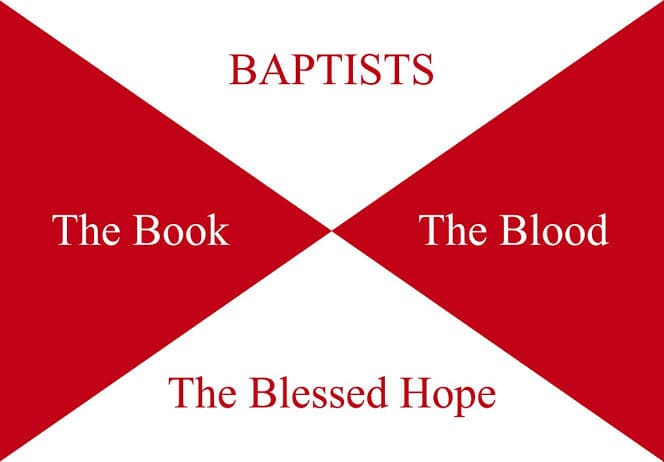
The Baptist flag: The Book, The Blood, The Blessed Hope
What Sets Us Apart

What We Hold To

Though in various periods of church history members of independent Baptist churches have been persecuted and even slain for the faith, such churches continue until the present day. There are many thousands of independent Baptist churches in all parts of the world. “What are the distinctives of an independent Baptist church?” you may ask, they could concisely be set forth under four major headings.

I. A Church That Is Self-Governing

The churches established by the Apostles of Christ were all independent churches, that is, they were free from any outside control or membership in any kind of an organization. The New Testament does not reveal the existence of any synod, conference, association, convention, organized fellowship, or other form of human organization exercising control over the local congregation or even existing apart from a local independent church. Each local church was viewed as a self-governing body.

An aggregation of local churches was never looked upon organizationally as a “church,” but always as “churches,” emphasizing the individual prerogatives of each congregation (Rom. 16:16; 1 Cor. 11:16). Each local church chose its own officers (Acts 6:1-6). Each exercised its own discipline (1 Cor. 5 :13 ). Churches were not responsible to any higher ecclesiastical body (since there were none), but were subject only to God (Rev. 2:4-5). Internal problems were handled by the individual congregation (1 Cor. 6:1-5). The maintenance of pure doctrine was the responsibility of the local assembly (1 Tim. 3:15; Rev. 2:14-16).

The Holy Spirit directs each local group of believers (Acts 13:1-2). Such a church cannot be politically pressured because it owns its own property (in contrast to many denominational churches whose property is owned or in some measure controlled by the denomination).

In the important matter of calling a pastor an independent Baptist church is cast upon the Lord for guidance. While they may seek counsel from neighboring pastors or Christian schools, no one can force them to accept a man they do not want. The congregation must prayerfully consider the merits of a candidate and decide whether or not he is God’s man for them.

Another important characteristic is the liberty enjoyed in the matter of missionary support. While pressure is exerted upon organized Baptist churches to support their own denominational missions, independent Baptist churches may seek the will and direction of God regarding this. And independent Baptist churches have a wide variety of Baptist missionaries to support, as there are independent Baptist missionaries scattered all over the world and on all continents. Each of these missionaries is sent out directly by a local independent Baptist church and are not affiliated with any of the various Mission Boards or missionary agencies, proving that missionaries can get on foreign fields without the necessity of being under a Mission Board or other missionary agency as is often charged by those in support of the Mission Board system of Missions.

The position of independent Baptist churches may be summed up thus: they are absolutely free to obey God as they see His direction and are under no obligation to any other church or group of churches. In each phase of their service for the Lord they must exercise spiritual discernment.

Actually, therefore, the independence of a church simply enhances its dependence upon the Lord. This tends to develop prayer and faith and to cultivate spirituality among the members.

II. A Church That Is Sound In Doctrine

An independent Baptist church is one that stands for the historic, conservative Christian faith. Many churches in recent years have moved away from the original teachings of the early Christians. They have substituted human theories for Biblical authority. Independent Baptist churches continue to uphold the Bible as the divinely-inspired authority for Christian faith and practice.

An independent Baptist church places proper importance upon correct Biblical doctrine. Among the doctrines emphasized are the following: the verbal, plenary inspiration of the Bible, the virgin birth, absolute deity, sinless life, atoning death, and bodily resurrection of the Lord Jesus Christ, His high-priestly work in Heaven, salvation by grace through faith, the reality of Satan and his work, the person and work of the Holy Spirit, the premillennial coming of Christ, a period of great tribulation on earth, the return of Christ to establish an earthly kingdom, the judgment and eternal doom of the lost, and the eternal reward of the saved. Independent Baptist churches stand as a protest to the religious unbelief (often called “modernism” or “liberalism”) that has engulfed so many of the large denominations and is now invading the ranks of Baptists. Men claiming to be ministers of Christ deny the verbal inspiration of Scripture, question the virgin birth of Christ, deny the necessity of faith in the shed blood of Christ for salvation, accept the theory of organic evolution, and in many other ways oppose the historic faith. Yet such men are accepted as ministers in good standing in some church groups. In obedience to the Word regarding false teachers (2 Tim. 3:5; Eph. 5:11, etc.) independent Baptist churches refuse to cooperate with denominations and councils of churches that condone the presence of such unbelieving religious leaders.

Independent Baptist churches stand firm for the doctrines as laid down in the New Testament that have separated them from other denominations. They adhere to the New Testament doctrine of the church, thus denying the modern doctrine of an invisible, universal church which is unknown to the Scripture, and holding fast to the Biblical doctrine of the church which identifies the church as a local visible body. They hold fast to the Bible doctrines of Baptism and the Lord’s Supper (the ordinances of the church) meaning that independent Baptist churches reject “alien immersion” and receive only scriptural baptism, and practice the Bible doctrine of close communion. Nor do they maintain these doctrines simply to be “different” or to hold themselves “aloof” from others, but because they sincerely believe the Bible teaches these doctrines and that, as a church of the Lord Jesus Christ, they are obligated to obey His commands in keeping (preserving or guarding) these ordinances as He has given them unto His churches (John 14:15).

III. A Church With A Bible-Centered Program

One of the first things many people notice about an independent Baptist church is the fact that almost everyone comes to church with their Bibles. Not only do they bring their Bibles, but they use them in the regular services of the church. The Bible is looked upon, not as an obscure religious textbook to be studied primarily by a priest or minister, but as the guide for every Christian and the source of instruction for his daily life.

Pastors of independent Baptist churches use the Bible in their pulpit ministry. He reads from it and his congregation follows him in searching out various passages. He is not endeavoring to foist upon the people some human observations concerning “religion” but rather he is seeking to unfold the exact revelation which God has given us in the Bible. Preaching in independent Baptist churches is not simply delivering some ethical or social precepts, but is an exposition of the written Word of God as found in the Bible.

The educational program of the church is likewise centered around the Bible. Every Sunday School teacher teaches from it. They do not study the International Sunday School Lessons as most churches do where quarterlies are studied rather than the Bible, but most study the Bible book-by-book, studying one chapter each Sunday until they complete the study of the book. This is much better than using the typical “hop, skip and jump” method of the quarterlies, and there is the value in studying God’s Word directly for yourself.

The same emphasis is seen in the missionary program of independent Baptist churches. Both home and foreign missionary efforts are geared to one purpose’the winning of the lost to Jesus Christ. All missionary work is simply a means to the end of bringing people to read, understand, and obey the Word of God. The primary aim of all missionary and evangelistic effort is not social betterment but spiritual regeneration-personal salvation.

IV. A Church With Distinctive Emphases

In addition to the things already mentioned there are several other important and Scriptural distinctives of independent Baptist churches.

1. A Regenerated Church Membership

Only those who have personally, consciously received Christ as their Lord and Savior have a right to church membership. Acts committed by a parent, priest, or minister for a child cannot and do not save the child. Children dying before they are old enough to be accountable to God go to heaven. Acts 2:47 clearly states that “the Lord added to the church daily such as were being saved.” In other words, a personal experience of the new birth is a pre-requisite to church membership. For this reason, independent Baptist churches require evidence of a person’s salvation before they are received into the membership of the church.

2. Scriptural Giving

Many churches support their work by fund-raising schemes such as church suppers, raffles, and sales. Some assess each member a certain amount each year. All such practices are totally unscriptural. The church should be supported by the free-will offerings and tithes of saved persons, not by commercial or worldly appeals (Cf. 1 Cor. 16:1; 2 Cor. 9:6-8).

In recognition of the truth in all that has been written above, independent Baptist churches are caused to place loyalty to Christ and His Word above loyalty to an earthly organization. Everything is tested by the Word of God, not by its relation to a denominational program.

Independent Baptist churches are seeking, as enabled by God, to perpetuate New Testament churches, remembering that the church is the “pillar and ground of the truth” (1 Tim. 3:15).

3. A Statement of Faith

We believe in the verbal inspiration of the 66 books of the Bible in its original writing and that it is without error and it is the sole authority in all matters of faith and practice. We further believe that the Bible reveals God, the fall of man, the way of salvation and God’s plan and purpose in the ages. We believe there is One and only One true and living God, existing in three Persons: Father, Son and Holy Spirit. These three are co-eternal and co-equal from all eternity, each with distinct personalities but with one nature.

We believe in the deity and virgin birth of Jesus Christ. Jesus Christ is the Son of God, coexistent with the Father and the Holy Spirit. He came to the world, born of a virgin, suffered, died, was buried and rose again bodily and ascended to the right hand of the Father.

We believe in the Person and work of the Holy Spirit, which includes conviction of sin, regeneration of sinners, and indwelling of the believer.

We believe that salvation is “by grace,” plus nothing and minus nothing. The conditions to salvation are repentance and faith. We further believe that a soul is saved when Christ is received as personal Savior and Lord and the Holy Spirit imparts eternal life.

We believe in the perseverance of the saints and that it is the plan of God for such believers to walk after the Spirit and not fulfill the lusts of the flesh.

We believe in the immersion of the believer in water under the authority of a New Testament church to signify His death, burial, and resurrection and the believer’s identification with Him. We do not believe that baptism saves. Baptism is an outward expression of an inward change. The Lord’s Supper constitutes the other of the only two ordinances of the church.

We believe that a New Testament church is a local group of baptized believers, united for His purpose and knowledge and spread of the Word of God, including world-wide missions. We believe it to be completely independent with no other person, group, or body having any authority, right of intervention or control whatsoever over or within a local church.

We believe in the visible, personal and premillennial return of Jesus Christ, the bodily resurrection of the righteous dead at His coming. We further believe in the everlasting conscious blessedness of the saved and the everlasting conscious punishment of the lost.

எங்களைத் தனித்துவப்படுத்துவது எது?

நாங்கள் உறுதியாகப் பற்றிக்கொண்டிருப்பவை

சபை வரலாற்றின் பல்வேறு காலகட்டங்களில், சுயாதீன பப்டிஸ்ற் சபைகளைச் சேர்ந்த விசுவாசிகள் தங்கள் விசுவாசத்தினிமித்தம் துன்புறுத்தப்பட்டதோடு, கொல்லப்பட்டவர்களாகவும் இருந்துள்ளனர். இருப்பினும், அத்தகைய சபைகள் இன்றுவரை தொடர்ந்து நிலைத்திருக்கின்றன.

உலகின் அனைத்துப் பகுதிகளிலும் ஆயிரக்கணக்கான சுயாதீன பப்டிஸ்ற் சபைகள் உள்ளன.

“ஒரு சுயாதீன பப்டிஸ்ற் சபையின் தனித்துவமான அம்சங்கள் யாவை?” என்று நீங்கள் கேட்கலாம். அவற்றை நான்கு முக்கிய தலைப்புகளின்கீழ் சுருக்கமாக விளக்கலாம்.

I. சுயமாக ஆளப்படும் சபை

கிறிஸ்துவின் அப்போஸ்தலர்களால் நிறுவப்பட்ட சபைகள் அனைத்தும் சுயாதீனமானவையாக இருந்தன. அதாவது, அவை வெளிப்புறக் கட்டுப்பாடுகளிலிருந்தும், எந்தவொரு அமைப்பின் உறுப்பினர்களாக இருப்பதிலிருந்தும் விடுதலையுடன் இருந்தன.

புதிய ஏற்பாட்டில், உள்ளூர் சபையைக் கட்டுப்படுத்தும் வகையிலான சபைக் குழுக்கள், மாநாடுகள், சங்கங்கள், பேரவைகள், ஒழுங்கமைக்கப்பட்ட ஐக்கியங்கள் அல்லது பிற மனித அமைப்புகள் இருந்ததாகக் குறிப்பிடப்படவில்லை. அத்தகைய அமைப்புகள் உள்ளூர் சுயாதீன சபைக்கு வெளியே தனியாகச் செயல்பட்டதாகவும் புதிய ஏற்பாடு காட்டவில்லை.

ஒவ்வொரு உள்ளூர் சபையும் தன்னைத்தானே நிர்வகிக்கும் அமைப்பாகக் கருதப்பட்டது.

பல உள்ளூர் சபைகள் ஒன்றாக இருந்தாலும், அவை ஒரே நிறுவன அமைப்பிலான “சபை” என்று அழைக்கப்படவில்லை; மாறாக, “சபைகள்” என்றே குறிப்பிடப்பட்டன. இது ஒவ்வொரு சபைக்கும் தனித்துவமான உரிமைகளும் பொறுப்புகளும் இருப்பதை வலியுறுத்துகிறது (ரோமர் 16:16; 1 கொரிந்தியர் 11:16).

ஒவ்வொரு உள்ளூர் சபையும் தன்னுடைய ஊழியர்களைத் தேர்ந்தெடுத்தது (அப்போஸ்தலர் 6:1–6). ஒவ்வொரு சபையும் தன்னுடைய ஒழுங்குமுறையைத் தானே நடைமுறைப்படுத்தியது (1 கொரிந்தியர் 5:13).

சபைகளுக்கு மேலாக அதிகாரம் செலுத்தும் உயர்நிலைச் சபை அமைப்புகள் எதுவும் இல்லாததால், அவை அத்தகைய அமைப்புகளுக்குப் பொறுப்புக் கூற வேண்டியிருக்கவில்லை. மாறாக, அவை தேவனுக்கே கணக்குக் கொடுக்க வேண்டியவையாக இருந்தன (வெளிப்படுத்தின விசேஷம் 2:4–5).

உள்ளகப் பிரச்சினைகள் அந்தந்த உள்ளூர் சபையினரால் கையாளப்பட்டன (1 கொரிந்தியர் 6:1–5). தூய்மையான உபதேசத்தைப் பாதுகாப்பது உள்ளூர் சபையின் பொறுப்பாக இருந்தது (1 தீமோத்தேயு 3:15; வெளிப்படுத்தின விசேஷம் 2:14–16).

பரிசுத்த ஆவியானவர் ஒவ்வொரு உள்ளூர் விசுவாசக் கூட்டத்தையும் வழிநடத்துகிறார் (அப்போஸ்தலர் 13:1–2).

இத்தகைய சபை தனக்குச் சொந்தமான சொத்துக்களைக் கொண்டிருப்பதால், அரசியல் அழுத்தங்களுக்கு எளிதில் அடிபணிய வேண்டிய அவசியம் ஏற்படாது. இதற்கு மாறாக, சில பிரிவுசார் சபைகளின் சொத்துக்கள் அந்தப் பிரிவுக்குச் சொந்தமானவையாகவோ அல்லது அதன் கட்டுப்பாட்டின்கீழ் இருப்பவையாகவோ இருக்கலாம்.

போதகரைத் தேர்ந்தெடுப்பதில் சுயாதீனம்

போதகரை அழைத்துச் சபையில் ஊழியம் செய்யச் செய்வது முக்கியமான ஒரு காரியமாகும். இவ்விஷயத்தில், சுயாதீன பப்டிஸ்ற் சபை தேவனுடைய வழிநடத்துதலை நாடுகிறது.

அருகிலுள்ள போதகர்களிடமிருந்தோ கிறிஸ்தவக் கல்வி நிறுவனங்களிடமிருந்தோ ஆலோசனைகளைப் பெறலாம். இருப்பினும், தாங்கள் விரும்பாத ஒருவரைப் போதகராக ஏற்றுக்கொள்ளுமாறு எந்தவொரு நபரோ அமைப்போ சபையை வற்புறுத்த முடியாது.

போதகராக அழைக்கப்படவிருக்கும் நபரின் தகுதிகளையும் ஆவிக்குரிய தன்மையையும் சபையினர் ஜெபத்துடன் ஆராய்ந்து, அவர் தங்களுக்காக தேவனால் நியமிக்கப்பட்டவரா என்பதைத் தீர்மானிக்க வேண்டும்.

மிஷனரிகளை ஆதரிப்பதில் சுதந்திரம்

மிஷனரிகளை ஆதரிப்பதிலும் சுயாதீன பப்டிஸ்ற் சபைகள் சுதந்திரத்தை அனுபவிக்கின்றன.

அமைப்புகளின் கீழ் இயங்கும் பப்டிஸ்ற் சபைகள் தங்கள் பிரிவைச் சார்ந்த மிஷன் பணிகளுக்கு ஆதரவளிக்க அழுத்தத்தை எதிர்கொள்ளக்கூடும். ஆனால், சுயாதீன பப்டிஸ்ற் சபைகள் இந்த விஷயத்தில் தேவனுடைய சித்தத்தையும் வழிநடத்துதலையும் நாடித் தீர்மானிக்கலாம்.

உலகின் அனைத்துக் கண்டங்களிலும் பல்வேறு நாடுகளிலும் சுயாதீன பப்டிஸ்ற் மிஷனரிகள் பணியாற்றுவதால், ஆதரிப்பதற்குப் பல்வேறு மிஷனரிகள் உள்ளனர்.

இம்மிஷனரிகள் ஒவ்வொருவரும் உள்ளூர் சுயாதீன பப்டிஸ்ற் சபையினால் நேரடியாக அனுப்பப்படுகின்றனர். அவர்கள் பல்வேறு மிஷன் வாரியங்களுடனோ மிஷனரி நிறுவனங்களுடனோ கட்டாயமாக இணைந்திருக்க வேண்டியதில்லை.

இதன்மூலம், மிஷன் வாரியம் அல்லது வேறு மிஷனரி நிறுவனம் ஒன்றின் கீழ் செயல்படாமல் இருந்தாலும், மிஷனரிகள் வெளிநாடுகளுக்குச் சென்று தங்கள் ஊழியத்தைச் செய்ய முடியும் என்பது நிரூபிக்கப்படுகிறது.

சுயாதீன சபையின் நிலைப்பாடு

சுயாதீன பப்டிஸ்ற் சபைகளின் நிலைப்பாட்டைச் சுருக்கமாகக் கூறினால்:

அவை தேவனுடைய வழிநடத்துதலை உணர்ந்து, அவருக்குக் கீழ்ப்படிவதில் முழுமையான சுதந்திரத்தைக் கொண்டுள்ளன. வேறொரு சபைக்கோ அல்லது சபைகளின் குழுவிற்கோ அவை கட்டுப்பட்டிருக்க வேண்டியதில்லை.

கர்த்தருக்குச் செய்யும் ஊழியத்தின் ஒவ்வொரு நிலையிலும், ஆவிக்குரிய பகுத்தறிவுடன் செயல்பட வேண்டியது அவசியமாகும்.

உண்மையில், ஒரு சபையின் சுயாதீனம், கர்த்தரைச் சார்ந்திருக்கும் அதன் தன்மையை மேலும் வலுப்படுத்துகிறது. இது விசுவாசிகளிடையே ஜெபத்தையும் விசுவாசத்தையும் வளர்த்து, அவர்களுடைய ஆவிக்குரிய வாழ்க்கையை மேம்படுத்துகிறது.

II. சரியான உபதேசத்தில் உறுதியாக நிற்கும் சபை

சுயாதீன பப்டிஸ்ற் சபை என்பது வரலாற்று ரீதியாகப் பின்பற்றப்பட்டு வந்த, பழமைவாத கிறிஸ்தவ விசுவாசத்திற்காக உறுதியாக நிற்கும் சபையாகும்.

சமீபகாலங்களில் பல சபைகள் ஆரம்பகால கிறிஸ்தவர்கள் பின்பற்றிய போதனைகளிலிருந்து விலகிச் சென்றுள்ளன. வேதாகமத்தின் அதிகாரத்திற்குப் பதிலாக மனிதர்களின் கோட்பாடுகளையும் கருத்துகளையும் ஏற்றுக்கொண்டுள்ளன.

ஆனால், சுயாதீன பப்டிஸ்ற் சபைகள் கிறிஸ்தவ விசுவாசத்திற்கும் நடைமுறை வாழ்க்கைக்கும் தேவனால் அருளப்பட்ட அதிகாரப்பூர்வமான வழிகாட்டியாக வேதாகமத்தைத் தொடர்ந்து உயர்த்திப் பிடிக்கின்றன.

வேதாகம உபதேசங்களுக்கு முக்கியத்துவம்

சுயாதீன பப்டிஸ்ற் சபை சரியான வேதாகம உபதேசங்களுக்கு உரிய முக்கியத்துவம் அளிக்கிறது.

அவை குறிப்பாக வலியுறுத்தும் உபதேசங்களில் பின்வருவன அடங்கும்:

  • வேதாகமத்தின் மூல எழுத்துக்கள் முழுவதும் பரிசுத்த ஆவியானவரால் வார்த்தை வார்த்தையாகவும் முழுமையாகவும் ஏவப்பட்டு எழுதப்பட்டவை.
  • கர்த்தராகிய இயேசு கிறிஸ்து கன்னியினிடத்தில் பிறந்தார்.
  • அவர் முழுமையான தெய்வீகத் தன்மையைக் கொண்டவர்.
  • அவர் பாவமற்ற வாழ்க்கை வாழ்ந்தார்.
  • நம்முடைய பாவங்களுக்காகப் பரிகார மரணத்தை அடைந்தார்.
  • அவர் சரீரத்தோடு உயிர்த்தெழுந்தார்.
  • பரலோகத்தில் அவர் பிரதான ஆசாரியராகப் பணியாற்றுகிறார்.
  • கிருபையினாலே, விசுவாசத்தின் மூலம் இரட்சிப்பு கிடைக்கிறது.
  • சாத்தான் உண்மையாகவே இருக்கிறான்; அவனுக்கென்று ஒரு செயற்பாடும் உண்டு.
  • பரிசுத்த ஆவியானவரின் நபர்தன்மையும் அவருடைய கிரியைகளும் உண்மையானவை.
  • கிறிஸ்து ஆயிரம் ஆண்டு அரசாட்சிக்கு முன்னதாக மீண்டும் வருவார்.
  • பூமியில் மிகுந்த உபத்திரவக் காலம் ஏற்படும்.
  • கிறிஸ்து பூமியில் தமது ராஜ்யத்தை ஸ்தாபிக்க மீண்டும் வருவார்.
  • இரட்சிக்கப்படாதவர்கள் நியாயத்தீர்ப்பையும் நித்திய தண்டனையையும் அடைவார்கள்.
  • இரட்சிக்கப்பட்டவர்கள் நித்திய வெகுமதியைப் பெறுவார்கள்.

பல பெரிய கிறிஸ்தவப் பிரிவுகளையும் தற்போது பப்டிஸ்ற் பிரிவினரையும் பாதித்துள்ள மத நம்பிக்கையின்மை மற்றும் வேதாகம அதிகாரத்தை மறுக்கும் போக்குகளுக்கு எதிராகச் சுயாதீன பப்டிஸ்ற் சபைகள் உறுதியாக நிற்கின்றன. இத்தகைய போக்குகள் பொதுவாக “நவீனத்துவம்” அல்லது “தாராளவாத இறையியல்” என்று அழைக்கப்படுகின்றன.

கிறிஸ்துவின் ஊழியக்காரர்கள் என்று தங்களை அழைத்துக்கொள்ளும் சிலர், வேதாகமம் பரிசுத்த ஆவியானவரால் ஏவப்பட்டு எழுதப்பட்டது என்பதை மறுக்கின்றனர்; கிறிஸ்துவின் கன்னிப்பிறப்பைக் கேள்விக்குள்ளாக்குகின்றனர்; இரட்சிப்பிற்காகச் சிந்தப்பட்ட கிறிஸ்துவின் இரத்தத்தின் மீதான விசுவாசம் அவசியம் என்பதை மறுக்கின்றனர்; உயிரினங்கள் இயற்கையான பரிணாம வளர்ச்சியின் மூலம் தோன்றின என்ற கோட்பாட்டை ஏற்றுக்கொள்கின்றனர். மேலும் பல வழிகளில் வரலாற்று ரீதியான கிறிஸ்தவ விசுவாசத்திற்கு எதிராகச் செயல்படுகின்றனர்.

இருப்பினும், இத்தகையவர்கள் சில சபை அமைப்புகளில் அங்கீகரிக்கப்பட்ட ஊழியக்காரர்களாக ஏற்றுக்கொள்ளப்படுகின்றனர்.

கள்ளப்போதகர்களைக் குறித்த தேவனுடைய வார்த்தையின் எச்சரிக்கைகளுக்குக் கீழ்ப்படிந்து (2 தீமோத்தேயு 3:5; எபேசியர் 5:11), இத்தகைய வேதாகமத்திற்கு எதிரான போதகர்களின் இருப்பை அனுமதிக்கும் பிரிவுகளுடனும் சபைகளின் கூட்டமைப்புகளுடனும் இணைந்து செயல்படுவதைச் சுயாதீன பப்டிஸ்ற் சபைகள் தவிர்க்கின்றன.

புதிய ஏற்பாட்டின் உபதேசங்களில் உறுதியாக நிற்றல்

புதிய ஏற்பாட்டில் போதிக்கப்பட்ட உபதேசங்களில் சுயாதீன பப்டிஸ்ற் சபைகள் உறுதியாக நிற்கின்றன. இந்த உபதேசங்களே அவற்றை மற்ற சபைப் பிரிவுகளிலிருந்து வேறுபடுத்துகின்றன.

சபையைக் குறித்த புதிய ஏற்பாட்டின் உபதேசத்தை அவை ஏற்றுக்கொள்கின்றன. வேதாகமத்தில் காணப்படாத, கண்ணுக்குப் புலப்படாத உலகளாவிய சபை என்ற நவீனக் கருத்தை அவை மறுக்கின்றன. அதற்குப் பதிலாக, வேதாகமம் போதிக்கும் வகையில், சபை என்பது ஒரு குறிப்பிட்ட இடத்தில் ஒன்றுகூடும், கண்ணுக்குப் புலப்படும் விசுவாசிகளின் உள்ளூர் கூட்டம் என்பதை வலியுறுத்துகின்றன.

ஞானஸ்நானம் மற்றும் கர்த்தருடைய இராப்போஜனம் ஆகிய சபையின் இரண்டு கட்டளைகளையும் வேதாகமம் போதிக்கும் விதத்தில் அவை கடைப்பிடிக்கின்றன.

இதன் அடிப்படையில், வேதாகமத்திற்கு முரணான முறையில் வழங்கப்படும் ஞானஸ்நானத்தை அவை ஏற்றுக்கொள்வதில்லை. வேதாகமத்தின்படி வழங்கப்பட்ட ஞானஸ்நானத்தையே ஏற்றுக்கொள்கின்றன. அதேபோல், கர்த்தருடைய இராப்போஜனத்தில் பங்குபெறுவதைப் பற்றிய வேதாகம உபதேசத்தின்படி, அதில் பங்குபெறுவோருக்கு உரிய தகுதிகளையும் ஒழுங்குகளையும் கடைப்பிடிக்கின்றன.

மற்றவர்களிடமிருந்து தங்களை வேறுபடுத்திக் காட்டுவதற்காகவோ, பிறரிடமிருந்து விலகி இருப்பதற்காகவோ இந்த உபதேசங்களை அவை பின்பற்றுவதில்லை. மாறாக, வேதாகமம் இவற்றைப் போதிக்கிறது என்றும், கர்த்தராகிய இயேசு கிறிஸ்துவின் சபையாகிய தாங்கள் அவர் கட்டளையிட்டவற்றைக் காத்துக் கடைப்பிடிக்க வேண்டிய பொறுப்பைக் கொண்டுள்ளன என்றும் உண்மையாக நம்புவதால் இவற்றைப் பின்பற்றுகின்றன (யோவான் 14:15).

III. வேதாகமத்தை மையமாகக் கொண்ட ஊழியத் திட்டத்தைக் கொண்ட சபை

சுயாதீன பப்டிஸ்ற் சபைக்கு வருபவர்கள் முதலில் கவனிக்கும் அம்சங்களில் ஒன்று, அங்கு வருபவர்களில் பெரும்பாலானோர் தங்களுடைய வேதாகமங்களைக் கொண்டுவருவதாகும்.

அவர்கள் வேதாகமங்களைக் கொண்டுவருவதோடு மட்டுமல்லாமல், சபையின் வழக்கமான ஆராதனைகளிலும் அவற்றைப் பயன்படுத்துகின்றனர்.

வேதாகமம் என்பது ஆசாரியர்களோ போதகர்களோ மட்டுமே படிக்க வேண்டிய ஒரு தெளிவற்ற மத நூலாகக் கருதப்படுவதில்லை. மாறாக, ஒவ்வொரு கிறிஸ்தவருடைய வாழ்க்கைக்கும் வழிகாட்டியாகவும், அன்றாட வாழ்க்கைக்குத் தேவையான போதனைகளின் ஆதாரமாகவும் அது கருதப்படுகிறது.

வேதாகமத்தை மையமாகக் கொண்ட பிரசங்க ஊழியம்

சுயாதீன பப்டிஸ்ற் சபைகளின் போதகர்கள் பிரசங்க ஊழியத்தில் வேதாகமத்தைப் பயன்படுத்துகின்றனர்.

அவர்கள் வேதாகமத்திலிருந்து வாசிக்கும்போது, சபையினரும் அவர்களுடன் இணைந்து குறிப்பிட்ட வசனங்களையும் பகுதிகளையும் திறந்து ஆராய்கின்றனர்.

மதம் குறித்த மனிதர்களின் கருத்துகளை மக்கள்மீது திணிப்பது அவர்களுடைய நோக்கமல்ல. மாறாக, தேவன் வேதாகமத்தின் மூலம் நமக்கு வெளிப்படுத்தியுள்ள சத்தியத்தைத் தெளிவாக விளக்குவதே அவர்களுடைய நோக்கமாகும்.

சுயாதீன பப்டிஸ்ற் சபைகளில் பிரசங்கிக்கப்படுவது வெறுமனே ஒழுக்கம் அல்லது சமூக வாழ்க்கை தொடர்பான அறிவுரைகள் மட்டுமல்ல. மாறாக, வேதாகமத்தில் எழுதப்பட்டுள்ள தேவனுடைய வார்த்தையை விளக்கி எடுத்துரைப்பதே பிரசங்க ஊழியத்தின் அடிப்படையாகும்.

வேதாகமத்தை மையமாகக் கொண்ட கற்பித்தல்

சபையின் கல்வி ஊழியமும் வேதாகமத்தை மையமாகக் கொண்டுள்ளது.

ஒவ்வொரு ஞாயிற்றுக்கிழமைப் பள்ளி ஆசிரியரும் வேதாகமத்திலிருந்தே கற்பிக்கிறார்.

பல சபைகளில் பயன்படுத்தப்படும் சர்வதேச ஞாயிற்றுக்கிழமைப் பள்ளிப் பாடத்திட்டங்களை மட்டுமே சார்ந்திருப்பதற்குப் பதிலாக, சுயாதீன பப்டிஸ்ற் சபைகளில் பலர் வேதாகமத்தின் புத்தகங்களை ஒவ்வொன்றாகப் படிக்கும் முறையைப் பின்பற்றுகின்றனர்.

ஒரு ஞாயிற்றுக்கிழமை ஒரு அதிகாரத்தைப் படித்து, அந்தப் புத்தகத்தின் முழுப் படிப்பையும் முடிக்கும் வரை தொடர்ந்து கற்பது இந்த முறையின் சிறப்பம்சமாகும்.

ஒரு பகுதியிலிருந்து மற்றொரு பகுதிக்குத் தாவித் தாவிப் படிப்பதற்குப் பதிலாக, வேதாகமத்தை முறையாகவும் தொடர்ச்சியாகவும் படிப்பது சிறந்ததாகும். இதன்மூலம், ஒவ்வொருவரும் தேவனுடைய வார்த்தையைத் தாங்களே நேரடியாக ஆராய்ந்து அறிந்துகொள்ள முடிகிறது.

மிஷனரி ஊழியத்தில் வேதாகமத்தின் முக்கியத்துவம்

சுயாதீன பப்டிஸ்ற் சபைகளின் மிஷனரி ஊழியத்திலும் இதே முக்கியத்துவம் காணப்படுகிறது.

உள்நாட்டு மற்றும் வெளிநாட்டு மிஷனரி ஊழியங்கள் அனைத்தும் ஒரே முக்கிய நோக்கத்தை அடிப்படையாகக் கொண்டுள்ளன: இரட்சிக்கப்படாத மக்களை இயேசு கிறிஸ்துவிடம் வழிநடத்துவது.

மக்கள் தேவனுடைய வார்த்தையை வாசித்து, அதைப் புரிந்துகொண்டு, அதற்குக் கீழ்ப்படிய உதவுவதே மிஷனரி ஊழியத்தின் அடிப்படை நோக்கமாகும்.

மிஷனரி மற்றும் சுவிசேஷ ஊழியங்களின் முதன்மை நோக்கம் சமூக நிலைமைகளை மட்டும் மேம்படுத்துவது அல்ல; மாறாக, மக்களின் ஆவிக்குரிய வாழ்க்கையில் மறுபிறப்பை ஏற்படுத்துவதும், ஒவ்வொருவரும் தனிப்பட்ட முறையில் இரட்சிப்பைப் பெறுவதற்கு வழிநடத்துவதுமாகும்.

IV. தனித்துவமான முக்கியத்துவங்களை வலியுறுத்தும் சபை

ஏற்கெனவே குறிப்பிடப்பட்ட அம்சங்களுக்கு மேலாக, சுயாதீன பப்டிஸ்ற் சபைகளில் காணப்படும் வேதாகம அடிப்படையிலான மேலும் சில முக்கியமான தனித்துவங்கள் உள்ளன.

1. மறுபிறப்பைப் பெற்ற விசுவாசிகளைக் கொண்ட சபை

இயேசு கிறிஸ்துவைத் தங்களுடைய சொந்த இரட்சகராகவும் ஆண்டவராகவும் தனிப்பட்ட முறையில் உணர்ந்து ஏற்றுக்கொண்டவர்களுக்கே சபை அங்கத்துவம் பெறும் உரிமை உண்டு.

ஒரு குழந்தைக்காக அதன் பெற்றோரோ, ஆசாரியரோ அல்லது ஊழியக்காரரோ செய்கிற எந்தவொரு சடங்கும் அந்தக் குழந்தையை இரட்சிக்க முடியாது; இரட்சிப்பை உறுதிப்படுத்தவும் முடியாது.

தேவனுக்கு முன்பாகப் பொறுப்புணர்ந்து பதிலளிக்கக்கூடிய வயதை அடைவதற்கு முன்பே மரணமடையும் குழந்தைகள் பரலோகத்திற்குச் செல்கின்றனர்.

“இரட்சிக்கப்படுகிறவர்களை கர்த்தர் நாள்தோறும் சபையிலே சேர்த்துக்கொண்டுவந்தார்” என்று அப்போஸ்தலர் 2:47 தெளிவாகக் கூறுகிறது.

வேறு வார்த்தைகளில் சொன்னால், ஒருவர் தனிப்பட்ட முறையில் மறுபிறப்பின் அனுபவத்தைப் பெற்றிருப்பது சபை அங்கத்துவத்திற்கான முன்நிபந்தனையாகும்.

இதன் காரணமாக, ஒருவரைச் சபை அங்கத்துவத்தில் சேர்த்துக்கொள்வதற்கு முன்பாக, அவர் இரட்சிப்பைப் பெற்றிருப்பதற்கான ஆதாரத்தைச் சுயாதீன பப்டிஸ்ற் சபைகள் எதிர்பார்க்கின்றன.

2. வேதாகமத்தின்படி காணிக்கைகளை வழங்குதல்

பல சபைகள் தங்களுடைய ஊழியங்களுக்கான நிதியைத் திரட்டுவதற்காக விருந்துகள், குலுக்கல் சீட்டுகள் மற்றும் பொருட்கள் விற்பனை போன்ற பல்வேறு முறைகளைப் பயன்படுத்துகின்றன.

சில சபைகள் ஒவ்வொரு அங்கத்தவருக்கும் ஆண்டுதோறும் ஒரு குறிப்பிட்ட தொகையைக் கட்டாயமாக நிர்ணயிக்கின்றன.

இத்தகைய நடைமுறைகள் வேதாகமத்தின் போதனைகளுக்கு ஒத்ததாக இல்லை.

சபையின் தேவைகள், உலகியல் வணிக முறைகளின் மூலமாகவோ அல்லது உலகத்தின் வழிமுறைகளைச் சார்ந்த அழுத்தங்களின் மூலமாகவோ பூர்த்திசெய்யப்படக் கூடாது. மாறாக, இரட்சிப்பைப் பெற்ற விசுவாசிகள் தங்கள் மனப்பூர்வமான விருப்பத்தின்படி அளிக்கும் காணிக்கைகளாலும் தசமபாகங்களாலும் சபை ஆதரிக்கப்பட வேண்டும் (1 கொரிந்தியர் 16:1; 2 கொரிந்தியர் 9:6–8 ஆகியவற்றுடன் ஒப்பிட்டுப் பார்க்கவும்).

மேலே கூறப்பட்ட சத்தியங்களை உணர்ந்துகொள்வதால், சுயாதீன பப்டிஸ்ற் சபைகள் பூமிக்குரிய அமைப்புகளுக்குக் காட்டும் விசுவாசத்தைவிட கிறிஸ்துவுக்கும் அவருடைய வார்த்தைக்கும் காட்டும் விசுவாசத்தையே மேலாகக் கருதுகின்றன.

எந்தவொரு போதனையோ செயல்பாடோ ஒரு பிரிவின் திட்டத்துடன் ஒத்துப்போகிறதா என்பதை அடிப்படையாகக் கொண்டு அவை அதை மதிப்பிடுவதில்லை. மாறாக, தேவனுடைய வார்த்தையுடன் ஒத்துப்போகிறதா என்பதையே அளவுகோலாகக் கொள்கின்றன.

தேவனுடைய உதவியினால், புதிய ஏற்பாட்டில் காணப்படும் சபைகளின் முன்மாதிரியைத் தொடர்ந்து நிலைநிறுத்துவதே சுயாதீன பப்டிஸ்ற் சபைகளின் நோக்கமாகும்.

ஏனெனில், சபை “சத்தியத்திற்குத் தூணும் ஆதாரமுமாயிருக்கிறது” (1 தீமோத்தேயு 3:15).

3. விசுவாச அறிக்கை

வேதாகமத்தைக் குறித்த நம்பிக்கை

வேதாகமத்தின் மூலப் பிரதிகளில் உள்ள 66 புத்தகங்களும் தேவனால் வார்த்தை வார்த்தையாக ஏவப்பட்டு எழுதப்பட்டவை என்றும், அவற்றில் தவறு இல்லை என்றும் நாங்கள் விசுவாசிக்கிறோம்.

விசுவாசம் மற்றும் நடைமுறை வாழ்க்கை தொடர்பான எல்லா விஷயங்களிலும் வேதாகமமே ஒரே உச்ச அதிகாரம் என்றும் நாங்கள் நம்புகிறோம்.

மேலும், வேதாகமம் தேவனைப் பற்றியும், மனிதன் பாவத்தில் விழுந்ததைக் குறித்தும், இரட்சிப்பைப் பெறுவதற்கான வழியைக் குறித்தும், பல்வேறு காலகட்டங்களில் தேவன் நிறைவேற்றத் திட்டமிட்டுள்ள நோக்கத்தைக் குறித்தும் வெளிப்படுத்துகிறது என்று நாங்கள் விசுவாசிக்கிறோம்.

திரித்துவ தேவனைப் பற்றிய நம்பிக்கை

உண்மையும் ஜீவனுமுள்ள ஒரே தேவன் மட்டுமே இருக்கிறார் என்று நாங்கள் விசுவாசிக்கிறோம்.

அவர் பிதா, குமாரன், பரிசுத்த ஆவியானவர் ஆகிய மூன்று நபர்களில் இருக்கிறார்.

இந்த மூவரும் நித்தியமானவர்கள்; ஒருவருக்கொருவர் சமமான தெய்வீகத் தன்மையைக் கொண்டவர்கள். நித்திய காலமுதல் ஒவ்வொருவரும் தனித்துவமான நபர்தன்மையைக் கொண்டிருந்தாலும், ஒரே தெய்வீக இயல்பைக் கொண்டிருக்கின்றனர்.

இயேசு கிறிஸ்துவைப் பற்றிய நம்பிக்கை

இயேசு கிறிஸ்து தெய்வீகத் தன்மையைக் கொண்டவர் என்றும், அவர் கன்னியினிடத்தில் பிறந்தார் என்றும் நாங்கள் விசுவாசிக்கிறோம்.

இயேசு கிறிஸ்து தேவனுடைய குமாரன். அவர் பிதாவுடனும் பரிசுத்த ஆவியானவருடனும் நித்தியமாக இருக்கிறார்.

அவர் உலகத்திற்கு வந்து, கன்னியினிடத்தில் பிறந்தார்; பாடுகளை அனுபவித்தார்; மரணமடைந்தார்; அடக்கம் செய்யப்பட்டார்; சரீரத்தோடு உயிர்த்தெழுந்தார்; பின்னர் பிதாவின் வலதுபாரிசத்தில் வீற்றிருக்கும்படி பரலோகத்திற்கு ஏறிச் சென்றார் என்று நாங்கள் விசுவாசிக்கிறோம்.

பரிசுத்த ஆவியானவரைப் பற்றிய நம்பிக்கை

பரிசுத்த ஆவியானவரின் நபர்தன்மையையும் அவருடைய கிரியைகளையும் நாங்கள் விசுவாசிக்கிறோம்.

அவருடைய கிரியைகளில் பாவத்தைக் குறித்து உணர்த்துதல், பாவிகளுக்கு ஆவிக்குரிய மறுபிறப்பை அளித்தல், விசுவாசிகளுக்குள் வாசம்பண்ணுதல் ஆகியவை அடங்கும்.

இரட்சிப்பைப் பற்றிய நம்பிக்கை

இரட்சிப்பு தேவனுடைய கிருபையினால் கிடைக்கிறது என்று நாங்கள் விசுவாசிக்கிறோம். இரட்சிப்பைப் பெறுவதற்கு கிருபையுடன் வேறு எதையும் சேர்க்க வேண்டியதில்லை; அதிலிருந்து எதையும் குறைக்கவும் முடியாது.

மனந்திரும்புதலும் விசுவாசமும் இரட்சிப்பைப் பெறுவதற்கான நிபந்தனைகளாகும்.

ஒருவர் இயேசு கிறிஸ்துவைத் தமது சொந்த இரட்சகராகவும் ஆண்டவராகவும் ஏற்றுக்கொள்ளும்போது, பரிசுத்த ஆவியானவர் அவருக்கு நித்திய ஜீவனை அளிப்பதன் மூலம் அந்த ஆத்துமா இரட்சிக்கப்படுகிறது என்று நாங்கள் விசுவாசிக்கிறோம்.

பரிசுத்தவான்களின் நிலைத்திருத்தலைப் பற்றிய நம்பிக்கை

இரட்சிக்கப்பட்டவர்கள் விசுவாசத்தில் நிலைத்திருப்பதை நாங்கள் விசுவாசிக்கிறோம்.

அத்தகைய விசுவாசிகள் மாம்சத்தின் இச்சைகளின்படி வாழாமல், பரிசுத்த ஆவியானவரின் வழிநடத்துதலின்படி நடக்க வேண்டும் என்பதே தேவனுடைய திட்டம் என்றும் நாங்கள் நம்புகிறோம்.

ஞானஸ்நானம் மற்றும் கர்த்தருடைய இராப்போஜனத்தைப் பற்றிய நம்பிக்கை

புதிய ஏற்பாட்டுச் சபையின் அதிகாரத்தின்கீழ், விசுவாசி தண்ணீரில் முழுவதுமாக மூழ்கி ஞானஸ்நானம் பெற வேண்டும் என்று நாங்கள் விசுவாசிக்கிறோம்.

இந்த ஞானஸ்நானம், இயேசு கிறிஸ்துவின் மரணம், அடக்கம், உயிர்த்தெழுதல் ஆகியவற்றையும், விசுவாசி அவருடன் அடையாளப்படுத்தப்படுவதையும் குறிக்கிறது.

ஞானஸ்நானம் இரட்சிப்பைத் தராது என்று நாங்கள் விசுவாசிக்கிறோம்; அது உள்ளான மாற்றத்தின் வெளிப்படையான அடையாளமாகும்.

கர்த்தருடைய இராப்போஜனம் சபைக்கு அளிக்கப்பட்டுள்ள மற்றொரு கட்டளையாகும். இவ்விரண்டும் மட்டுமே சபைக்கு அளிக்கப்பட்டுள்ள கட்டளைகள் என்று நாங்கள் விசுவாசிக்கிறோம்.

புதிய ஏற்பாட்டுச் சபையைப் பற்றிய நம்பிக்கை

புதிய ஏற்பாட்டுச் சபை என்பது ஞானஸ்நானம் பெற்ற விசுவாசிகளைக் கொண்ட உள்ளூர் கூட்டமாகும்.

கர்த்தருடைய நோக்கத்தை நிறைவேற்றுவதற்கும், தேவனுடைய வார்த்தையை அறிந்து, அதைப் பரப்புவதற்கும், உலகெங்கிலும் மிஷனரி ஊழியங்களைச் செய்வதற்கும் அவர்கள் ஒன்றிணைக்கப்பட்டுள்ளனர் என்று நாங்கள் விசுவாசிக்கிறோம்.

ஒவ்வொரு உள்ளூர் சபையும் முழுமையான சுயாதீனத்தைக் கொண்டிருக்க வேண்டும் என்றும், அதன்மீது அல்லது அதற்குள் அதிகாரம் செலுத்துவதற்கோ, தலையிடுவதற்கோ, கட்டுப்படுத்துவதற்கோ வேறு எந்த நபருக்கோ, குழுவிற்கோ அல்லது அமைப்பிற்கோ உரிமை கிடையாது என்றும் நாங்கள் விசுவாசிக்கிறோம்.

கிறிஸ்துவின் இரண்டாம் வருகையையும் நித்தியத்தையும் பற்றிய நம்பிக்கை

இயேசு கிறிஸ்து கண்ணுக்குப் புலப்படும் விதத்தில், சரீரத்தோடு, ஆயிரம் ஆண்டு அரசாட்சிக்கு முன்னதாக மீண்டும் வருவார் என்று நாங்கள் விசுவாசிக்கிறோம்.

அவர் வரும்போது, நீதிமான்களாகிய மரித்தவர்கள் சரீரத்தோடு உயிர்த்தெழுவார்கள் என்றும் நாங்கள் விசுவாசிக்கிறோம்.

இரட்சிக்கப்பட்டவர்கள் நித்தியமான உணர்வுள்ள பேரின்பத்தை அனுபவிப்பார்கள் என்றும், இரட்சிக்கப்படாதவர்கள் நித்தியமான உணர்வுள்ள தண்டனையை அனுபவிப்பார்கள் என்றும் நாங்கள் விசுவாசிக்கிறோம்.
Read More

Learn More About Us

Read our full statement of faith, or come and visit us in person.

Our Story

Our History

Calvary Bible Baptist Church, Borella, Sri Lanka, since 2005.

Our Story

Our History

The Calvary Bible Baptist Church was founded by Pastor Gowreeswaran Thiagarajah in 2005 at Borella in Sri Lanka. Pastor Terry W. Unruh and his church gave the needed spiritual and physical training and support to Pastor Gowreeswaran to establish this mission church. Also, Pastor Unruh had shared his church building to start this Tamil ministry. The work started to grow, people started to come to the services. On the 9th of October 2005, 20 believers were baptized and the new missioon church called Calvary Bible Baptist church was established by the grace of God. On the 20th January 2008, the Calvary Bible Baptist Church charted the church officially by the 37 signatures of the charted members. The mission church became the established church.

2005 — Our Beginning

Calvary Bible Baptist Church was established in 2005 with a desire to faithfully preach the Word of God and proclaim the Gospel of Jesus Christ.

God's Faithfulness

Since its beginning, the church has experienced God's faithfulness and grace. We are thankful for His guidance, provision, and the opportunities He has given us to serve Him and reach others with the Gospel.

Our Ministry Today

Today, Calvary Bible Baptist Church remains committed to preaching and teaching the Bible, reaching people with the Gospel, encouraging believers, and serving the Lord according to His Word.

Leadership

Our Pastor

Shepherding the flock with the Word of God.

Leadership

Our Pastor

Portrait of Pastor Gowreeswaran Thiagarajah

Hear the Word

Sermon Library

Watch or listen to messages from Calvary Bible Baptist Church, past and present.

No sermons match your search

Try a different keyword or clear the filter.

Save the Date

Church Events

Stay connected with everything happening at Calvary Bible Baptist Church.

Special eventRegular service day
Calendar

Upcoming Events

Life Together

Photo Gallery

Moments of worship, fellowship, and service from around our church family.

We'd Love to Meet You

Plan Your Visit

Reach out with questions, prayer requests, or to simply say hello — we'll be in touch soon.

CALVARY BIBLE BAPTIST CHURCH

We look forward to worshiping with you.

Address
546 Kurunduwatte 1st Lane, Averiwatta - Hunupitiya - Wattala Junk Rd,
Wattala 11300, Sri Lanka
Phone
+94741712200
Email
bbccalvary@gmail.com
Service Times
Sunday Bible School — 9:00 AM
Sunday Worship Service — 10:00 AM
Sunday Evening Service — 6:00 PM
Wednesday Bible Study & Prayer — 7:00 PM
Add the church address (Admin → Contact & Times) and the map will appear here.

Send Us a Message

Fill out the form below and our church office will respond as soon as possible.

Thank you — your message has been received. We'll be in touch soon.
Fields marked required must be completed before sending.
The Good News of Jesus Christ

The Gospel

An Important Message from God

Gospel Messages

The Gospel

Gospel messages added by the church administrator will appear here.

Would You Like to Know More?

If you would like to know more about Jesus Christ, the Bible, or salvation, we would be glad to talk with you.

The Good News of Jesus Christ

The Gospel

An Important Message from God

Gospel Messages

An Important Message from God

Gospel messages added by the church administrator will appear here.

Would You Like to Know More?

If you would like to know more about Jesus Christ, the Bible, or salvation, we would be glad to talk with you.

Read & Study

Articles

Teaching articles, book notes and downloadable PDFs from Calvary Bible Baptist Church.

No articles yet

Articles added by the church administrator will appear here.

What We Are About

Our Mission

To reach the lost, strengthen families, encourage believers, and stand faithfully for the truth.

Our Mission

Why We Exist

“…remember the words of the Lord Jesus, how he said, It is more blessed to give than to receive.”

— Acts 20:35 (KJV)

Giving

Ways to Give

Choose Where You Would Like to Give

Select an option below to view the account details and instructions for your gift.

To Church

Support the Church

Your giving helps support the worship, discipleship, outreach, and everyday ministry of our church.

Bank Name
[Add Bank Name]
Account Name
[Add Account Name]
Account Number
[Add Account Number]
Branch
[Add Branch]
SWIFT / Other Code
[Optional]

Giving Instructions

[Add instructions for giving to the church.]

Admin Login

Sign in to edit any text on the site, service times, contact info, sermons, events, ministries, gallery photos, background images, logo, and theme colors.

Invalid email or password. Please try again.

Manage Content

Add, edit, or remove items. On the Firebase Spark plan, photos use image URLs and videos use YouTube links. Click "Save & Apply" when you're done with a tab.

Edit Mode — click any dashed text on the website to edit it directly; use Manage for photos, Giving, YouTube videos, colors, and lists
Saved